Your commercial roof protects the people, equipment, and inventory inside your building. When it fails without warning, the damage reaches beyond a single repair bill. Leaks can shut down work areas, ruin stock, and invite mold growth.
That is why every building owner should understand commercial roof lifespan before problems appear. How long a roof lasts depends on its material, installation quality, and the care it receives. In this guide, the Xpert Roofing Pro team explains how roofs age and how to spot warning signs in time. It shows you when to replace a commercial roof before repair costs start to climb.
What Is the Average Lifespan of a Commercial Roof?
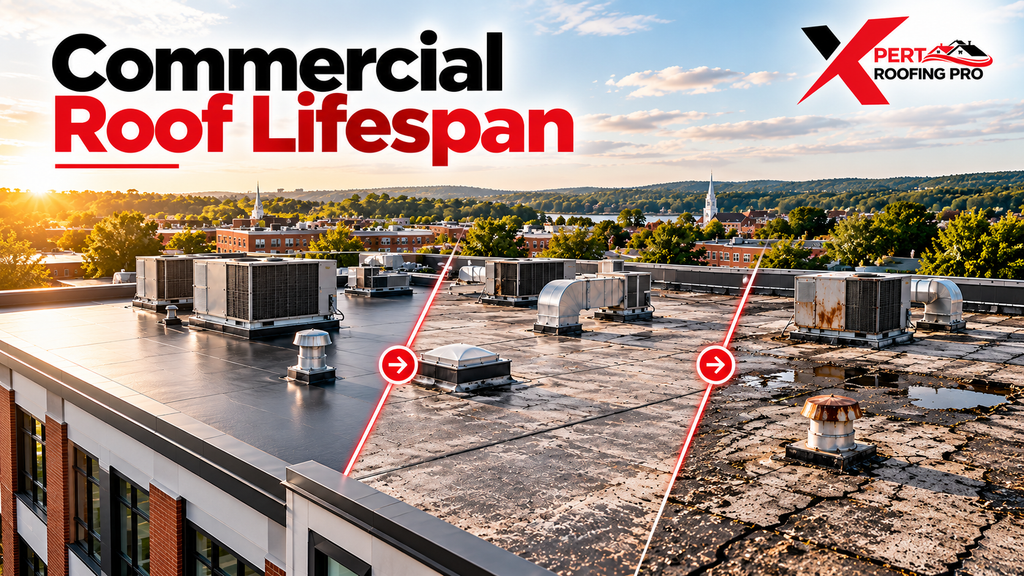
Most commercial roof lifespans last 15 to 40 years, and some metal systems last longer. The average lifespan of a commercial roof sits closer to 20 to 30 years for most systems.
Warranty length and real performance are two different things that owners tend to confuse. A manufacturer warranty may cover 15 or 20 years of service on your roof. A well-maintained roof can push its commercial roof life expectancy past that warranty period. A neglected roof can fail long before its warranty period runs out.
Commercial Roofing Lifespan by Material
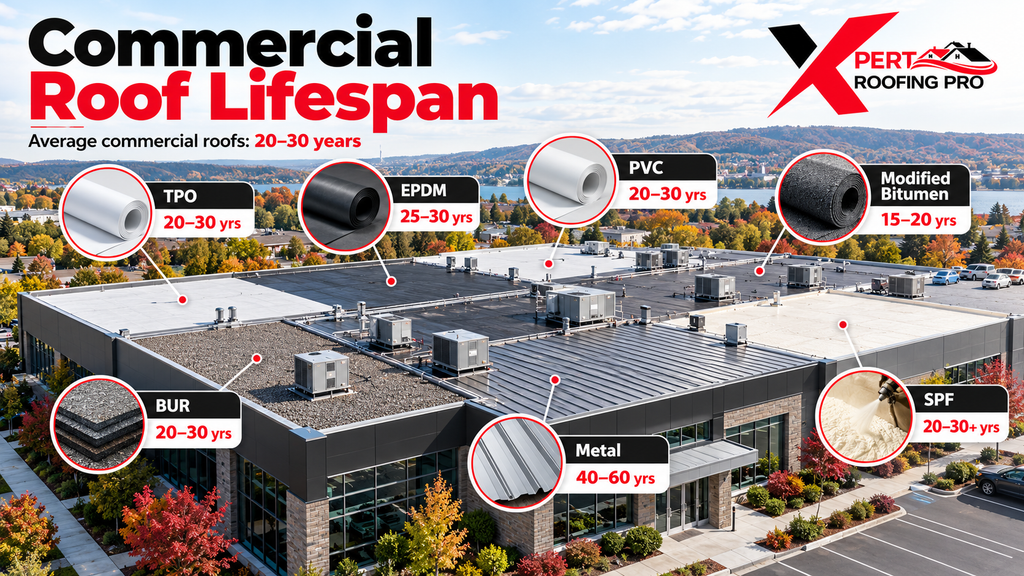
The biggest factor in how long your roof lasts is the material it is made from. The content below shows the commercial roof lifespan by material for systems that are installed and maintained well.
TPO Roofs
Thermoplastic polyolefin, or TPO, is one of the most popular commercial roofing choices today. Its white reflective surface helps lower cooling costs during hot summer months. Heat-welded seams give the membrane strong resistance against leaks at the joints. A well-installed TPO roof delivers 20 to 30 years of reliable protection for your building.
EPDM Roofs
EPDM is a synthetic rubber membrane known for strong durability and good flexibility. It handles cold winters and sharp temperature swings well across the Northeast. EPDM roofs last 25 to 30 years, and many perform beyond that with routine care.
PVC Roofs
PVC membranes hold up well against grease, chemicals, and fire exposure. That makes them a common choice for restaurants and many industrial facilities. A quality PVC system offers a service life of 20 to 30 years on most buildings.
Modified Bitumen Roofs
Modified bitumen is an asphalt-based roofing system applied in several strong layers. It handles regular foot traffic better than many other flat roof systems. Its service life is shorter than other systems and runs about 15 to 20 years.
Built-Up Roofs (BUR)
Built-up roofing uses alternating layers of asphalt and reinforcing fabric under gravel. This proven system has protected commercial buildings across the country for generations. A built-up roof lasts 20 to 30 years when its layers receive regular inspections.
Metal Roofs
Metal is the longest-lasting option available in commercial roofing today. Its higher upfront cost pays off through decades of service with minimal repairs. Standing seam and other metal systems can last 40 to 60 years with proper care.
Spray Foam Roofs
Spray polyurethane foam creates a seamless insulated layer across the entire roof deck. The foam adds insulation value and can lower heating and cooling costs for the building. With a fresh recoat every several years, an SPF roof can last 20 to 30 years or more.
How Commercial Roofs Age Over Time
Roofs do not fail overnight and wear down in clear stages over many years. Knowing your current stage helps you plan instead of reacting to sudden emergencies.
- Years 1 to 5 (the settling period). Installation flaws such as loose flashing or weak seams tend to show up in these first years. A first-year inspection catches these problems while your warranty covers the repair work.
- Years 5 to 15 (normal wear). The roof performs well, but sun, rain, and temperature changes start taking a toll. Seams, flashing, and sealants around rooftop equipment need regular attention during this stage.
- Years 15 to 25 (noticeable aging). Seal failures and wet spots spread across larger areas as materials break down over time. Owners should start budgeting for a full roof replacement during this stage.
- Year 25 and beyond (end of service life). Most roofs now sit at or past their commercial roof life expectancy for that material. Planning the replacement now avoids emergency work during the harsh winter months.
Factors That Affect Commercial Roof Lifespan
The best roofing material will fall short when other factors work against it. These are the biggest influences on commercial roof lifespan for most commercial buildings.
- Installation quality. Poor workmanship is one of the most common reasons a commercial roof fails ahead of time. Weak seams, bad fastening, and poor flashing details can cut years off its life.
- Weather and climate. Constant UV exposure breaks down roofing materials over many years of service. Repeated freeze-thaw cycles in Connecticut open small cracks that grow wider each winter. Strong storms and nor’easters add wind and hail damage to an aging roof surface.
- Foot traffic and rooftop equipment. HVAC units and solar panels bring technicians onto the roof throughout the year. Their tools and boots can puncture or wear down the roof surface over time.
Signs Your Commercial Roof Is Reaching the End of Its Life
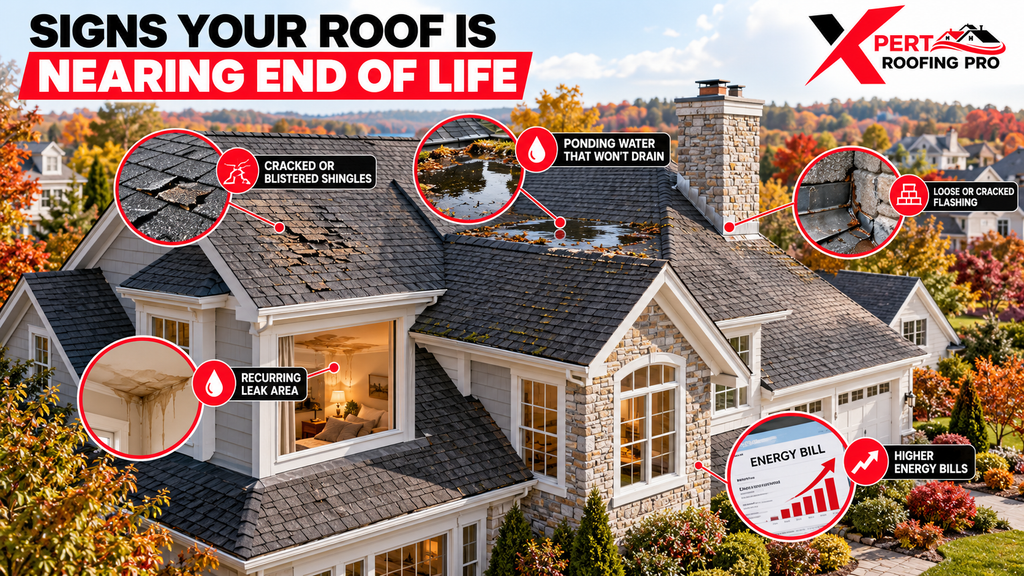
Your roof sends clear warning signs long before it reaches complete failure. Watch for the following problems during routine inspections and after major storms.
- Leaks keep coming back in the same areas after several repair attempts.
- The roof membrane shows blisters, cracks, bubbles, or visible signs of shrinking.
- Water pools on the roof surface and does not drain within two days.
- Flashing looks loose or cracked or starts pulling away from walls and curbs.
- Ceiling stains, mold growth, or a musty smell appears inside the building.
- Energy bills rise without a clear reason, which can point to poor insulation.
When to Replace a Commercial Roof
Knowing when to replace a commercial roof depends on its age, damage, and repair costs.
Repair is the right choice in these situations:
- The damage is limited to one small area of the overall roof surface.
- The roof sits well within the expected lifespan for its roofing material.
- The membrane and insulation underneath remain dry and in sound working condition.
Replacement is the better choice in these situations:
- Damage is widespread across the roof rather than limited to one section.
- Repair costs keep adding up year after year with no lasting improvement in sight.
- A large share of the insulation below the membrane has become wet or damaged.
Smart options sit between a basic repair and a full roof replacement. Roof restoration and reflective coatings can add years to an aging but sound roof.
In some cases, a recovery system can go over the existing roof without a full tear-off. A professional roof inspection is the best way to choose the right option for your building.
How to Extend the Commercial Roof Lifespan
Roofing material sets the potential, but steady maintenance decides whether your roof reaches it. These steps help you get the most years out of your roofing investment and extend commercial roof lifespan.
- Schedule inspections twice a year. Spring and fall inspections catch winter damage and prepare the roof for the next season.
- Inspect after major storms. High winds, hail, and heavy snow can cause damage you cannot see from the ground.
- Keep drains and gutters clear. Removing leaves and debris on a regular basis prevents ponding water and expensive backups.
- Fix small problems fast. A minor seam repair today can prevent a major leak and a bigger bill tomorrow.
- Set up a preventive maintenance plan. A written plan with a trusted roof contractor keeps your roof on a steady care schedule. This plan creates useful records that can support any future warranty claims.
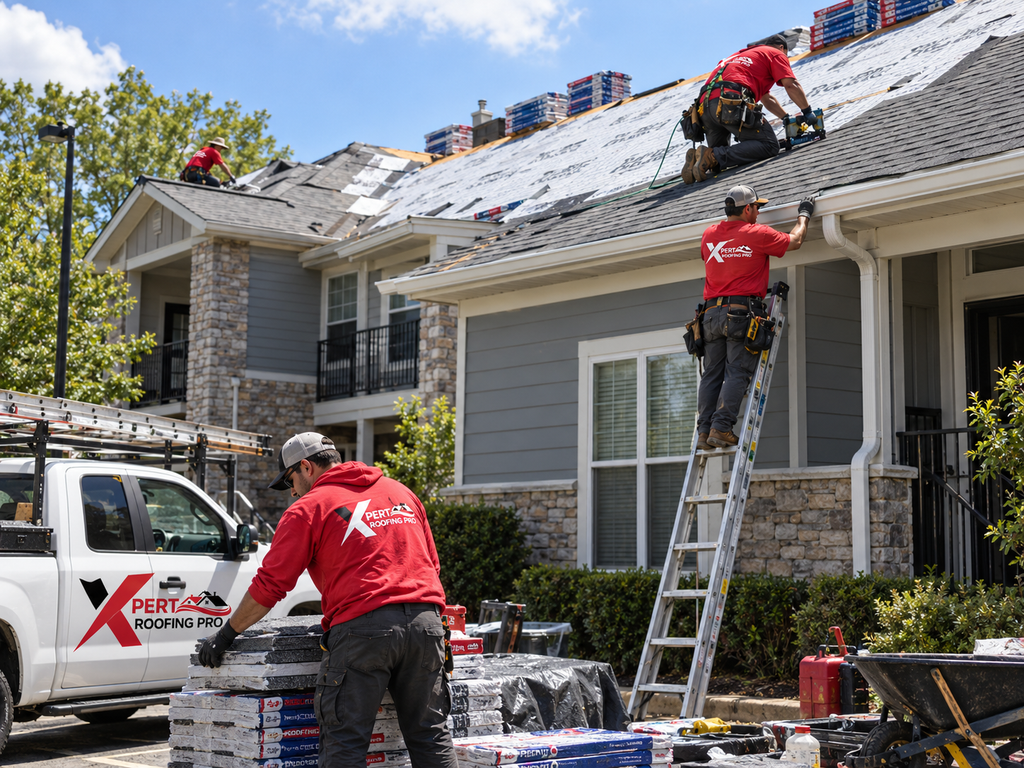
Protect Your Investment With Expert Roof Care
A clear view of your commercial roof lifespan protects your budget and your building. Knowing how your roof ages lets you plan replacement on your schedule instead of in a crisis.
Contact us to schedule a commercial roof inspection with Xpert Roofing Pro to learn where your roof stands today. Our team delivers trusted commercial roofing services in Connecticut and across New York for local businesses.