Roof Repair7 min
Roof Repair in Westchester County, NY: How to Find and Fix a Leak
Need roof repair in Westchester County, NY? Learn how to find a roof leak, apply a temporary fix, and know when to call a licensed roofer.
Xpert Roofing Pro
Roofing Team, Danbury CT

A small roof leak often begins with one quiet warning sign inside your home. A faint brown stain spreads across your bedroom ceiling after a night of heavy rain. Paint near a window starts to bubble, and you cannot tell why. Whatever the first sign is, water is entering your home and will not stop on its own.
Westchester County roofs take a beating from nor’easters, summer thunderstorms, heavy snow, and repeated freeze-thaw cycles. These forces slowly wear down your shingles, flashing, and sealants. For roof repair in Westchester County, NY, this guide shows how to find and fix leaks.
Signs You Have a Roof Leak
Not every leak announces itself with a dripping ceiling. Many start quietly, and the damage builds for weeks before anyone notices. Knowing the warning signs helps you act early, when repairs are smaller and cheaper.
Inside Your Home
- Water stains: Yellow or brown marks with darker edges spread across your ceilings or walls and grow after every heavy rain.
- Peeling paint: Paint bubbles or peels near the ceiling line and around your chimneys as trapped moisture pushes it off the surface.
- Musty smells: Damp odors build up in your attic, closets, and upper rooms and grow stronger after every storm.
- Mold or mildew: Dark patches grow on your ceilings, walls, and attic wood wherever hidden moisture collects.
- Sagging drywall: Damp drywall feels soft and spongy when you press it with your hand, and it may bulge.
- High energy bills: Wet insulation cannot hold heat well, so your heating bills climb higher every single month.
On the Roof
- Damaged shingles: Shingles look missing, cracked, curling, or buckled after strong winds and heavy storms, and each gap lets rain through.
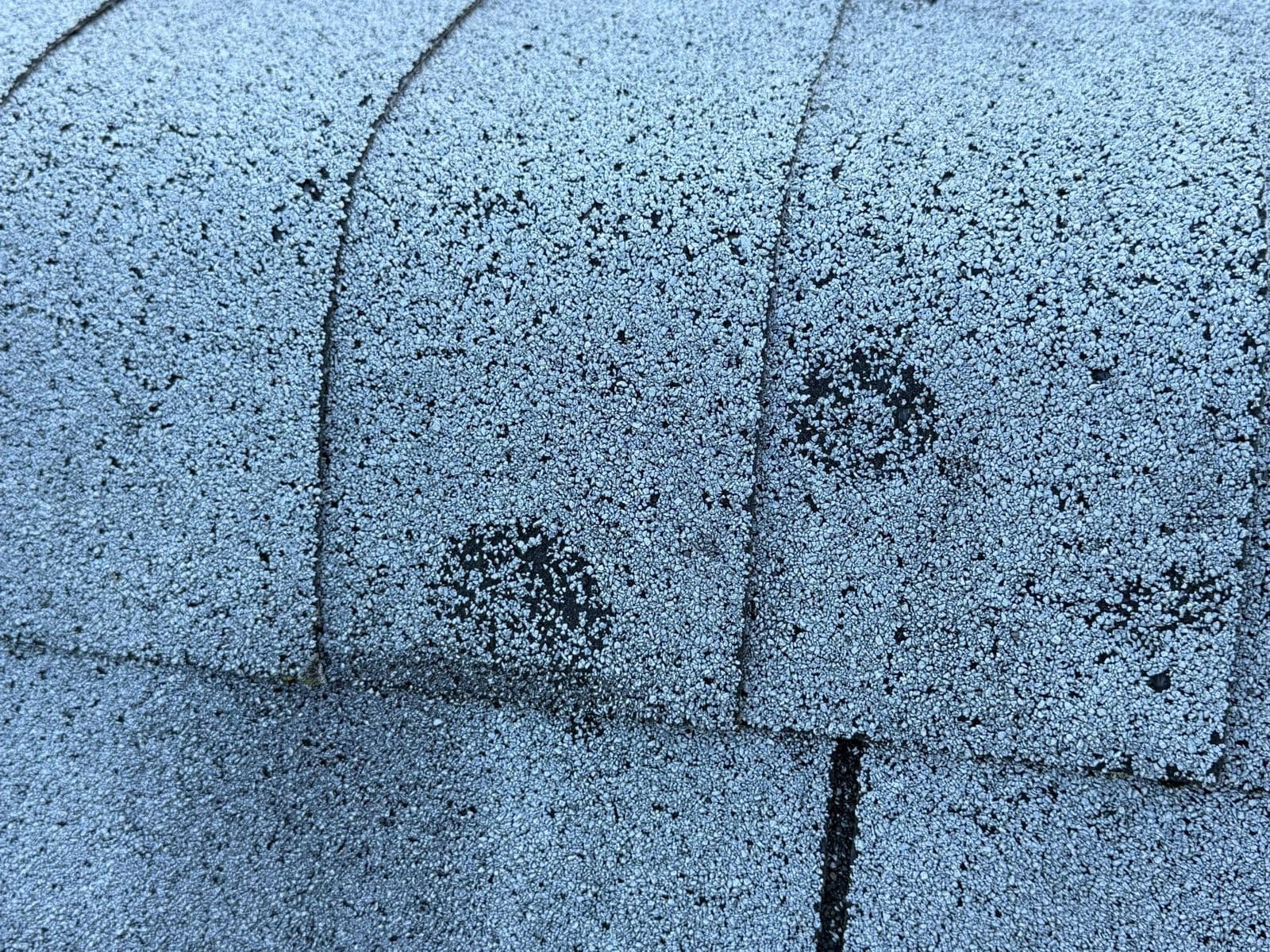
- Granule buildup: Loose granules collect in your gutters and at the base of your downspouts as worn shingles shed them.
- Damaged flashing: Metal around chimneys, vents, and skylights looks bent, rusted, or lifted, and water slips through these gaps.
- Dark streaks: Dark streaks or damp patches show on your roof surface after heavy rain and mark trapped moisture.
- Visible daylight: Daylight shines through the roof boards when you stand inside your attic, which means water can enter too.
Common Causes of Roof Leaks in Westchester County
Leaks rarely appear without a reason, and most trace back to a handful of familiar problems in this part of New York.
Damaged or Missing Shingles
Strong winds and storm debris lift, crack, or tear shingles away from your roof. This leaves the underlayment exposed, so rain soaks the decking and enters your home.
Failed Flashing
Flashing is the thin metal that seals joints where your roof meets a chimney, wall, vent pipe, or skylight. It cracks, rusts, or pulls loose over time, and water slips through these gaps.
Ice Dams
Heat escapes into your attic and melts the snow on your roof. The water refreezes at the colder eaves and builds a dam, so meltwater backs up under your shingles.
Clogged Gutters
Leaves and debris stop water from draining away from your roof. Water pools along the roof edge and seeps under the shingles and into the fascia.
An Aging Roof
A typical asphalt shingle roof lasts roughly 20 to 25 years. As it nears the end of that range, shingles turn brittle, sealant strips fail, and leaks grow more frequent.
Worn Sealant or Poor Installation
Caulk and sealant around nails and vents dry out and crack over time. Poor installation also causes leaks much earlier than normal wear would.
How to Find a Roof Leak: Step by Step
Finding the source is often harder than fixing it. Water travels along rafters, decking, and insulation before it finally drips, so the stain on your ceiling is rarely right below the opening in your roof. Work through these steps in order.
Step 1: Start in the Attic
Grab a flashlight and head up during the day, ideally after rain. Look for dark stains on the underside of the roof deck, damp or compressed insulation, rusted nail tips, and any trace of daylight coming through. Mold or dark streaking on the wood is a strong clue.
Step 2: Trace the Water Uphill
Once you find a wet spot, follow the moisture uphill along the rafters. The actual entry point is usually higher than where the water shows up. Mark the area and measure its distance from a fixed point, such as a chimney or vent pipe, so you can find it again from outside.
Step 3: Check the Usual Trouble Spots
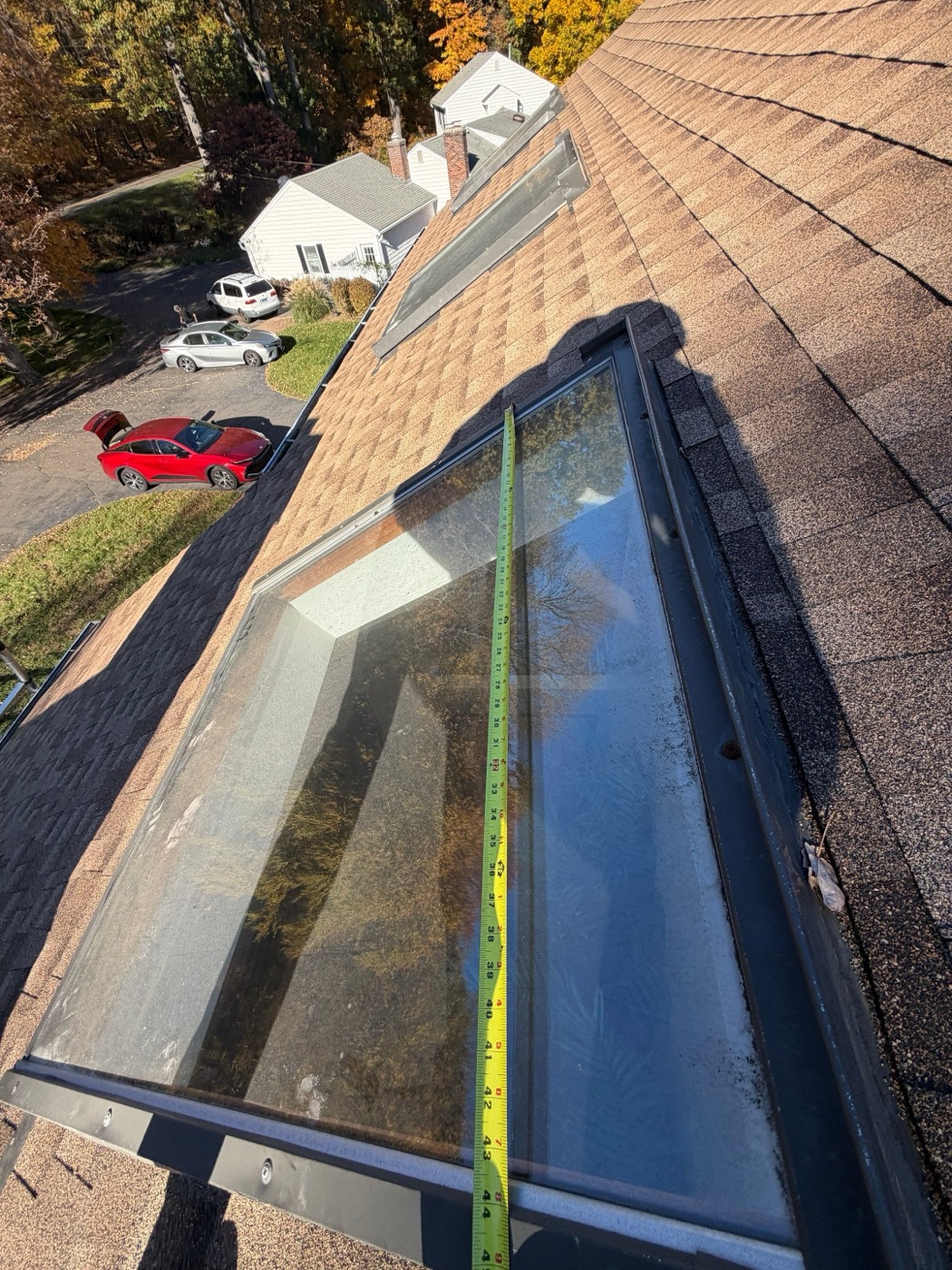
Look closely at the areas where leaks start most often: around the chimney, plumbing vents, skylights, roof valleys, and any place where two roof planes meet. These spots rely on flashing and sealant, and both wear out.
Step 4: Inspect the Roof from the Ground
Walk around your home with a pair of binoculars. Scan for missing or lifted shingles, exposed nails, damaged flashing, and sagging sections. You can learn a lot without ever leaving the ground.
Step 5: Try the Hose Test
If the source is still unclear, ask a helper to stay inside the attic with a flashlight. Starting low on the roof, run a garden hose over a small section for several minutes, then move up to the next section. Never soak the whole roof at once, or you won't know which area is leaking. When your helper sees water, you've found the zone.
Temporary Roof Leak Fixes Until Professional Repair
A temporary fix can limit the damage until a roofer arrives. Keep in mind that these are stopgaps, not permanent repairs.
- Contain the Water: Place a bucket under the drip and add a towel. Move furniture, rugs, and electronics away from the leak. The towel stops water from splashing.
- Relieve a Bulging Ceiling: Poke a small hole at the lowest point of the bulge. Let the trapped water drain into a bucket. This prevents a sudden ceiling collapse.
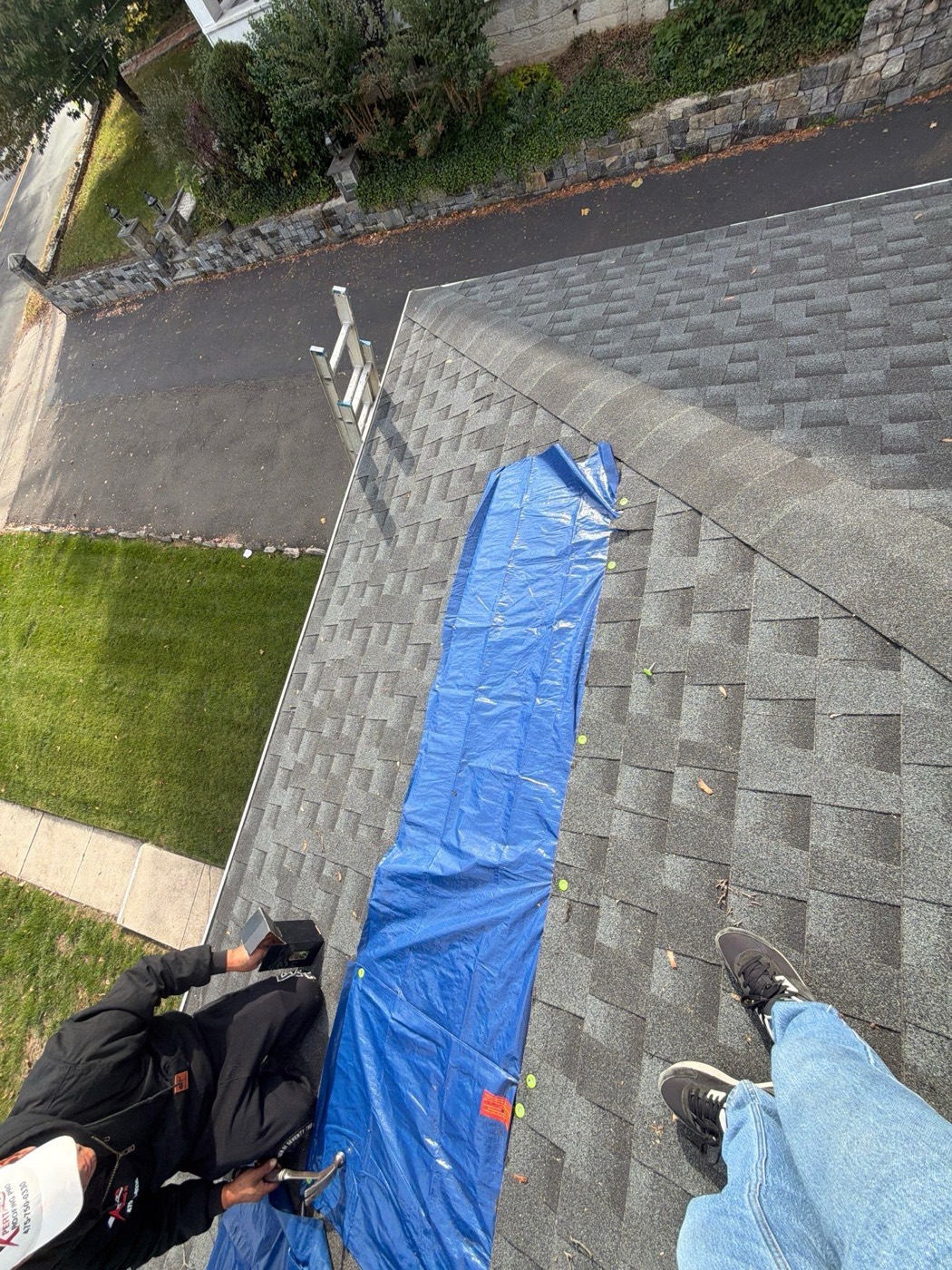
- Cover the Damaged Area: Secure a heavy-duty tarp over the leak if you can reach it safely. Extend the tarp well above the damage. Fasten the edges so wind cannot lift it.
- Seal Small Cracks: Dab roofing cement on small cracks and exposed nail heads. This protects the spot for a short time. It will not hold up for long.
- Take Photos: Photograph the damage, stains, and wet areas. Keep every repair receipt as proof of cost. You will need both for your insurance claim.
Leak hits at night? Call our 24/7 roofing services for fast help.
How to Fix Common Roof Leaks
Some repairs are manageable for a confident homeowner on a low-slope, easy-to-reach roof. Others are best left to a professional. Here is how the most common fixes work.
Replacing Damaged or Missing Shingles
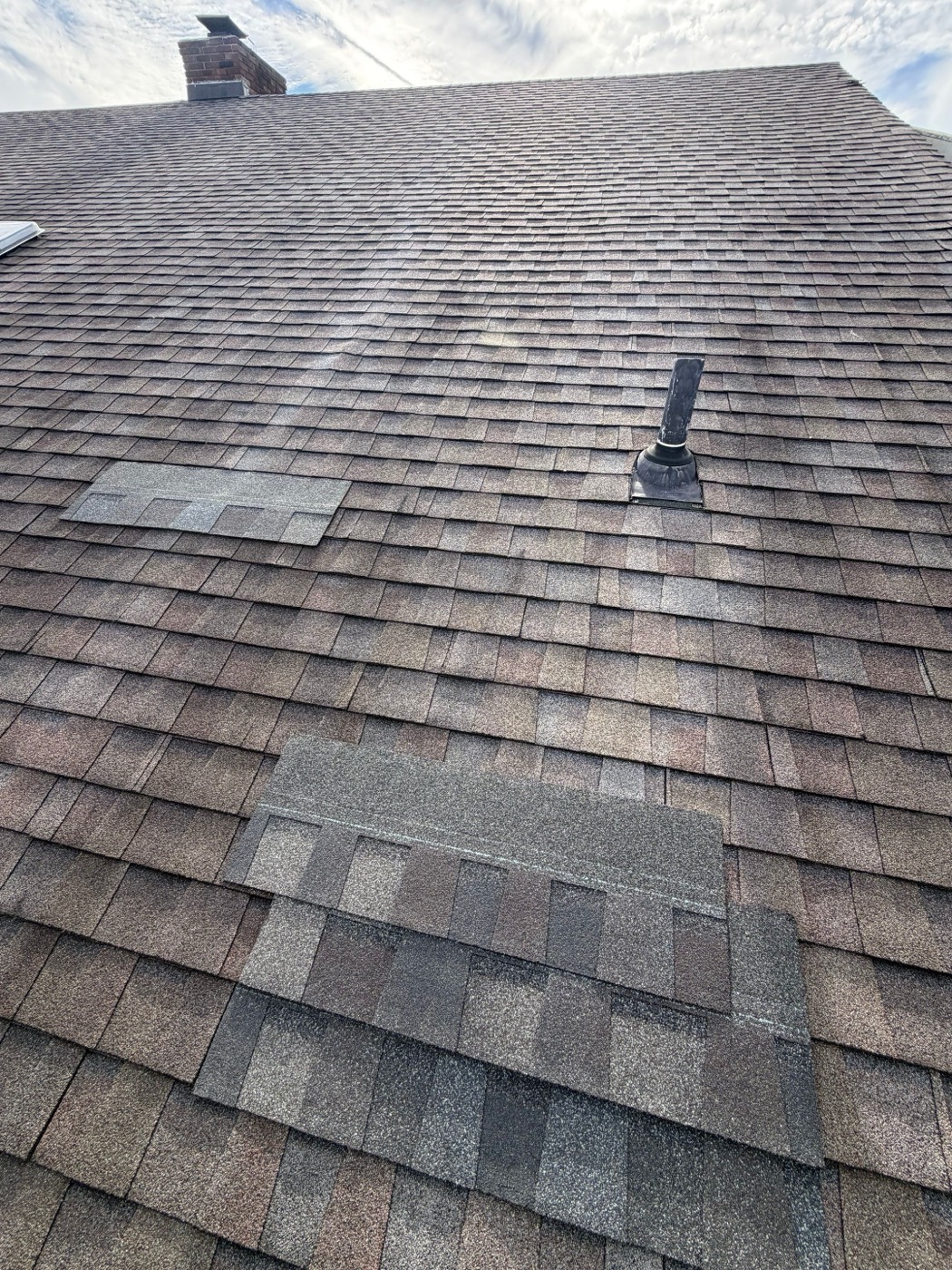
Gently lift the surrounding shingles, remove the nails from the damaged piece, and slide it out. Slide a new shingle into place, nail it down, and seal the edges with roofing cement. This is one of the simpler repairs, but matching the color and style of an older roof can be tricky.
Repairing or Replacing Flashing
You can sometimes seal small gaps in flashing with roofing sealant. Flashing that is rusted, bent, or pulling away should be replaced, which means lifting nearby shingles and fitting new metal in the correct overlap pattern. Because flashing errors cause repeat leaks, many homeowners prefer to have a pro handle this.
Sealing Roof Penetrations
Plumbing vents, exhaust pipes, and skylights all pass through the roof, and their seals eventually fail. Replacing a cracked vent boot or refreshing the sealant is often enough to stop a leak, but it has to be done carefully and under the surrounding shingles.
Clearing Gutters and Preventing Ice Dams
Clean your gutters in spring and fall so water drains freely. To reduce ice dams, improve attic insulation and ventilation so heat doesn't leak up and melt the snow on your roof. These preventive steps protect your roof and your gutters at the same time.
When to Call a Roof Repair Contractor in Westchester County
Some situations call for an expert. Contact a licensed roofing contractor in Westchester County if you notice any of the following:
- Repeat leaks: The leak returns even after you repair it yourself.
- Widespread damage: Several leaks or damaged areas appear across your roof.
- Storm damage: Wind, storms, or hail break shingles or loosen flashing.
- Sagging deck: The roof deck sags, or mold grows on the wood.
- Aging roof: Your roof nears the end of its life and needs frequent repairs.
- Unsafe access: The roof is steep, high, or too risky to climb.
A professional roof inspection in Westchester County will do more than patch the visible problem. A trained roofer like Xpert Roofing Pro checks the flashing, underlayment, decking, ventilation, and drainage to find the real cause, then recommends a repair that lasts.
Wrapping Up
A leaky roof never fixes itself, and it gets worse with every storm. Water spreads quietly through your insulation, framing, and ceilings, and the repair bill grows each passing week. Most roof leaks are simple to fix when you catch them early. Check your attic after every heavy rain and fix small problems quickly. Do not gamble with a roof that is old, steep, or badly damaged by past storms.
Need roof leak repair in Westchester County? Call Xpert Roofing Pro today for your free quote!