
A small stain on the ceiling or a few shingles in the yard is easy to ignore. However, most roof damage starts this way and grows quietly until the repair gets expensive. Knowing when to book an urgent roof inspection helps you catch the problem while it is still small.
This guide walks through what an urgent inspection is, the 10 most common roof warning signs, and what happens once an inspector arrives. It also covers how often a roof should be checked so that you can stay ahead of damage.
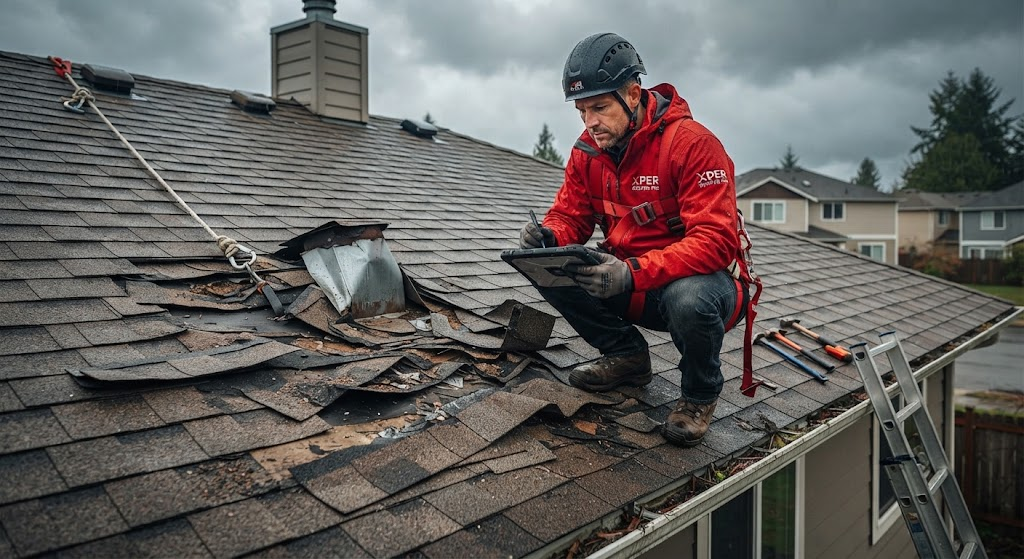
What Is an Urgent Roof Inspection?
An urgent roof inspection is a check you book right away because something already looks wrong, rather than waiting for a routine visit. It focuses on finding the source of a problem, such as a leak or storm damage, before it spreads. Before going through the signs, it helps to know why roofs fail and how an urgent check differs from a regular one.
Why Do Roofs Need Urgent Inspections? 5 Common Causes
Most roof damage signs trace back to a short list of causes. If you want to understand where the problem usually starts, go through the 5 following causes:
- Storms and Hail: Strong winds can lift or tear off shingles, and hail can crack or dent them. This damage is often hard to see from the ground.
- Age and Wear: Roofing materials break down over time from sun, rain, and temperature changes. An older roof is more likely to leak, even without a single big event.
- Poor Ventilation: A poorly vented attic traps heat and moisture. This can bake shingles from below and lead to mold and rot.
- Clogged Gutters: When gutters cannot drain, water backs up under the roof edge. Over time, it rots the boards that hold the roof together.
- Damaged Flashing: Flashing seals the joints around chimneys, vents, and skylights. Once it cracks or loosens, these joints become the easiest path for water.
How Is an Urgent Inspection Different from a Routine One?
Both types of roof inspection look at the same parts of the roof, but the timing and goal are different. The table below shows how they compare before you decide which one you need.
| What to Consider | Urgent Roof Inspection | Routine Roof Inspection |
| When to Book | As soon as you notice a warning sign | On a set schedule, such as spring and fall |
| Main Goal | Find the source of an active problem | Catch wear before it becomes a problem |
| Common Triggers | Leaks, sagging, storm or hail damage | Seasonal check or roof age |
| Speed | Same day or within a few days | Planned weeks ahead |
| Best For | Stopping damage from spreading | Keeping the roof in good shape long-term |
Warning Signs You Need an Urgent Roof Inspection
Each sign below points to a different kind of problem, from a slow leak to serious structural damage. Work through them in order and note any that match what you see at home.
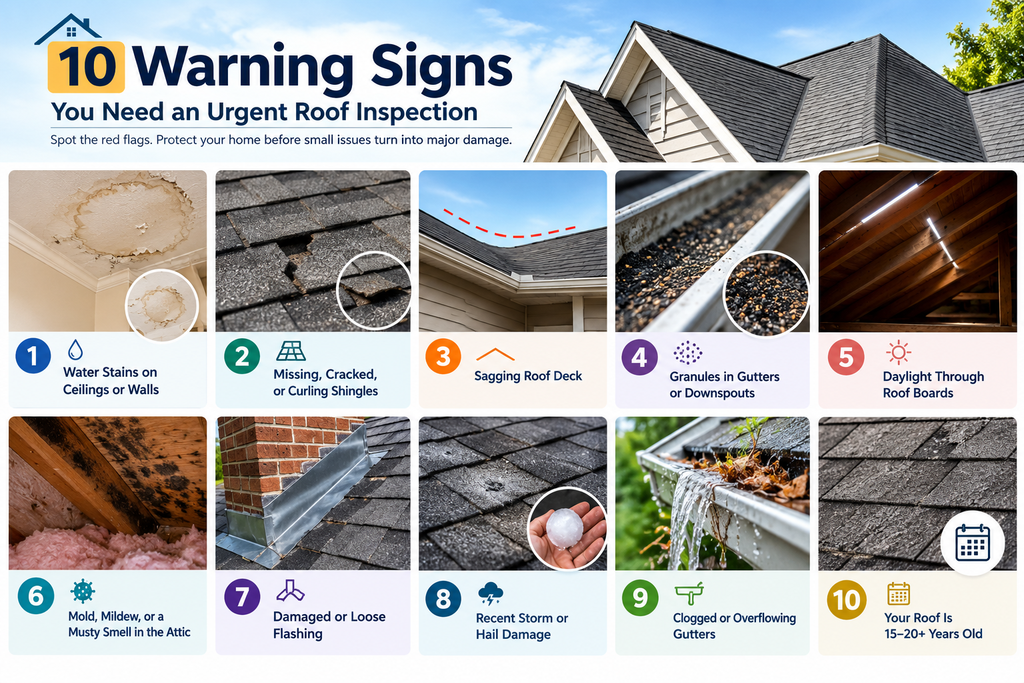
Sign 1. Water Stains on Ceilings or Walls
Brown or yellow rings, peeling paint, and bubbling drywall are the most common roof leak signs. They mean water has already found a way inside. The stain is often not directly under the leak, since water can run along rafters before it shows up.
Check it: Look at ceilings in top-floor rooms and closets, especially after heavy rain.
Why it matters: Hidden moisture can rot wood framing and ruin insulation long before the stain grows.
Act: Book an inspection soon, even if the stain looks small.
Sign 2. Missing, Cracked, or Curling Shingles
Bare patches, cracked shingles, or edges that curl upward are classic roof damage signs. Finding pieces of shingle in the yard after a windy day is another clear warning. Damaged shingles leave the layer underneath exposed, so water gets in more easily.
Check it: Walk around the house and look at each side of the roof from the ground.
Why it matters: One missing shingle makes the ones around it easier to lift in the next storm.
Act: Schedule a roof inspection before the next round of bad weather.
Sign 3. Sagging Roof Deck
A dip, wave, or low spot in the roofline is the most serious sign on this list. A sagging roof usually means the decking is rotting or the supports underneath are damaged.
Check it: Stand back from the house and look along the roofline for any part that isn’t straight.
Why it matters: A weak roof deck can give way with little warning.
Act: Call for an emergency roof inspection right away.
Sign 4. Granules in Gutters or Downspouts
Asphalt shingles are covered in small, sand-like granules that protect them from the sun and weather. When a lot of these granules collect in gutters or near downspouts, the shingles are wearing out. Some loss is normal on a new roof, but heavy loss on an older roof is a warning sign.
Check it: Look inside your gutters and at the ground below each downspout.
Why it matters: Shingles without granules age much faster and crack more easily.
Act: Book an inspection to see how much life the shingles have left.
Sign 5. Daylight Through Roof Boards
If you can see daylight through the boards in your attic, there is a gap in the roof. Anything that lets light in can also let in rain, cold air, and pests. You can check this yourself in a few minutes, as guided below:
Instructions. On a sunny day, go into the attic and switch off the lights. Look along the roof boards, especially around chimneys, vents, and the top ridge, for any spots where light shows through.
Why it matters: Even small gaps let water reach the wood and insulation.
Act: Mark the spots you find and share them with the inspector.
Sign 6. Mold, Mildew, or a Musty Smell in the Attic
Dark spots on rafters, damp insulation, or a musty smell mean moisture is building up in the attic. This is usually caused by a slow leak, poor ventilation, or both.
Check it: Use a flashlight to look at the underside of the roof and the insulation.
Why it matters: Mold damages wood and can affect the air quality in your home.
Act: Get a professional roof inspection to find where the moisture is coming from.
Sign 7. Damaged or Loose Flashing
Flashing is the metal that seals the joints around chimneys, vents, skylights, and roof valleys. These joints are where roofs leak most often. Flashing that is rusted, bent, cracked, or pulling away needs attention quickly.
Check it: Look at the areas around your chimney and vents from the ground or with binoculars.
Why it matters: Even a small gap in flashing can let in a lot of water.
Act: Have a roofer inspect and reseal the flashing before it leaks inside.
Sign 8. Recent Storm or Hail Damage
Roof storm damage is not always visible from the ground. Strong winds can loosen shingles, and hail can crack or dent them without leaving obvious holes. After bad weather, look for dented gutters or vents, missing shingles, and debris on the roof.
Check it: Walk around the house after the storm passes and look for anything out of place.
Why it matters: Hidden storm damage can turn into leaks weeks later.
Act: Book emergency roof services soon after any major storm. Many insurance policies have time limits for claims, so getting the damage documented early helps.
Sign 9. Clogged or Overflowing Gutters
Gutters that overflow in the rain, pull away from the house, or have plants growing in them are more than a cosmetic problem. When water can’t drain, it backs up under the roof edge. In cold areas, clogged gutters can also lead to ice dams that push water under the shingles.
Check it: Watch your gutters during the next rainfall and see where the water goes.
Why it matters: Standing water rots the fascia boards and the edge of the roof deck.
Act: Book a gutter cleaning or repair service, and have the roof edge checked for water damage.
Sign 10. Your Roof Is 15–20+ Years Old
Every roof wears out over time. InterNACHI’s life expectancy chart notes that clay, concrete, and slate roofs last longest, while asphalt shingles wear out sooner. As a rough guide, asphalt shingles last about 15 to 25 years, metal roofs 40 years or more, and tile roofs 50 years or more.
Check it: Find out when your roof was installed from old paperwork or the previous owner.
Why it matters: An older roof is more likely to leak, even if you don’t see any damage yet.
Act: Inspect an older roof yearly, and plan a replacement if the inspection shows it is near the end of its life.
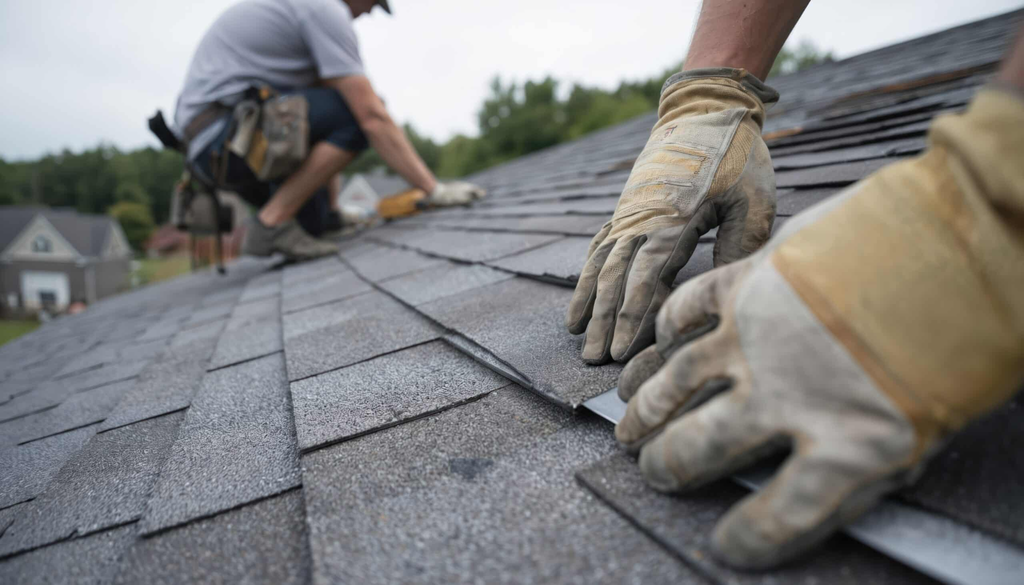
What Happens During a Professional Roof Inspection?
Knowing what to expect makes it easier to book a professional roof inspecter. Xpert Roofing Pro’s follow the same 3 steps and take about one to two hours, as explained below:
Step 1. Exterior Check
Our professional roofing inspector looks at the shingles, flashing, gutters, vents, and chimney. They also check the shape of the roof for sagging, wear, or storm damage.
Step 2. Interior and Attic Check
Next, the Xpert Roofing Pro team goes into the attic to check the rafters, roofboards, insulation, and ventilation. This step shows leaks, moisture, or mold that can’t be seen from outside.
Step 3. Report and Next Steps
Finally, you receive photos and a written report that lists what was found and which repairs are needed. Use this report to plan repairs or file an insurance claim.
Pro Tip. Keep Your Roof on a Regular Inspection Schedule
Urgent inspections fix problems once they appear, but routine checks help you avoid them in the first place. Inspecting a roof at least twice a year, preferably in spring and fall. Spring checks catch winter damage, while fall checks prepare the roof for the colder months.
How Often Should a Roof Be Inspected?
If you are not sure when to book, follow this simple schedule to stay ahead of roof warning signs:
- Twice a Year: Book a routine inspection in spring and fall.
- After Every Major Storm: Check for wind or hail damage as soon as the weather clears.
- Before Buying or Selling a Home: An inspection report helps buyers and sellers avoid surprises.
- More Often for Older Roofs: Roofs older than 15 years benefit from closer attention.
Note: Keep every inspection report in one place, along with photos of the roof. This makes it easier to track changes over time and support any future insurance claim.

Conclusion
An urgent roof inspection is the fastest way to stop small roof problems from turning into costly repairs. Water stains, damaged shingles, sagging, granule loss, and storm damage are the signs most worth acting on. Once you spot any of them, Xpert Roofing Pro’s professional inspection shows what is wrong and what needs to be fixed.
Along with urgent checks, keep your roof on a twice-yearly inspection schedule. A little planning now protects your home and saves you from bigger repair bills later.
If any of these signs look familiar, it may be a good time to have someone take a closer look. Schedule your professional roof inspection with us now.