
A loud crash during a storm can leave any homeowner unsure about what has happened to the roof. One moment the house is quiet, and the next you are listening for dripping water and wondering how much damage the impact has caused. If a tree branch fell on your roof, a calm and organized response protects your family, your home, and your insurance claim.
The first few hours matter most, because the actions you take early determine how much repair work follows. This guide explains how to assess the situation, these seven steps to take, how insurance generally works, and how to prevent a repeat.
This short checklist summarizes the essential steps in the order they should be completed. Each point is explained in detail later in the article, so you can return to the full steps whenever you need more guidance.
Not every fallen branch creates a crisis, but some situations require immediate professional attention.
Look from the ground for a hole, a sagging roofline, or a branch lodged deep in the roof surface.
Ceiling stains, active dripping, wet insulation, or flickering lights near the damaged area all indicate a problem that cannot wait. Treat any exposed or hanging wiring as live until a qualified professional confirms otherwise.
Creaking, cracking, or popping noises from the attic or upper rooms can signal that the framing is under stress. Leave those areas immediately and keep everyone out until the structure has been inspected.
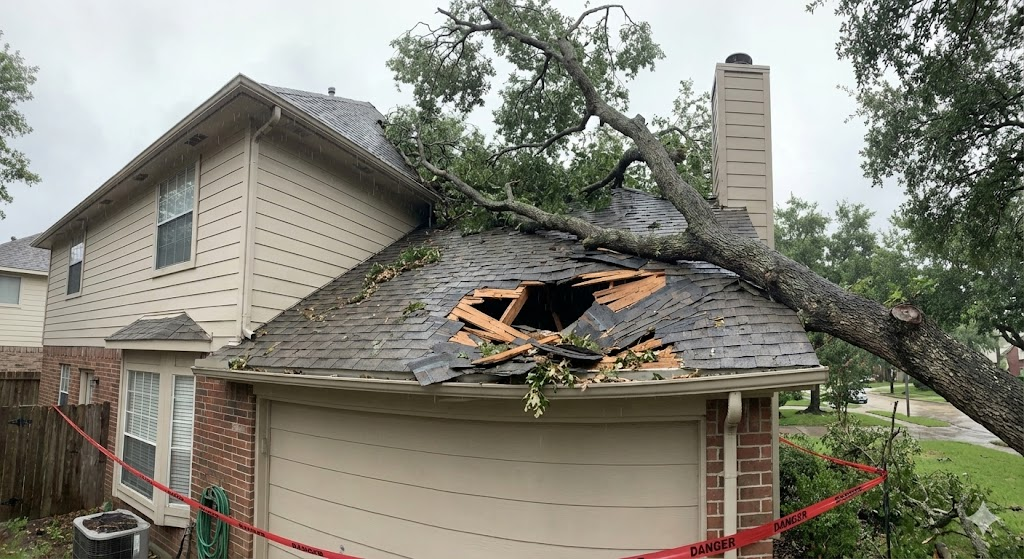
A lightweight branch may have only scuffed the shingles, but impact can still crack the material beneath them or loosen flashing. A large limb or a full tree is more serious because its weight can break rafters and puncture the decking. In either case, the safest approach is to observe from a distance and arrange a professional assessment.
Contact 24/7 emergency services or your utility provider immediately if any of the following conditions are present.
When a tree branch has fallen onto your roof, a clear sequence of steps helps keep everyone safe and limit further damage. The seven steps below show exactly what to do
Safety comes before everything else. Move your family and pets away from the damaged area. Stay out of any room directly under the damage.
Keep far away from power lines. Treat every downed or dangling line as live. Electricity can travel through wet branches and the ground.
It is tempting to grab a ladder and fix things fast. Please do not. A damaged roof can hide weak spots that give way under your weight. Wet shingles turn slippery in seconds.
Moving the branch can also cause trouble. Its weight may shift and further tear the roof. In addition, DIY removal can make your insurance claim harder to prove.
Before anyone touches the branch, grab your phone. Snap photos and videos from the ground. Then head inside and capture ceilings, walls, and the attic.
Write down the date and time of the incident. Save every receipt too. Insurers love proof, so this record can speed up your claim.
Water is the silent villain after a roof hit. Even a small leak can ruin floors, drywall, and furniture. Here is what you can do safely:
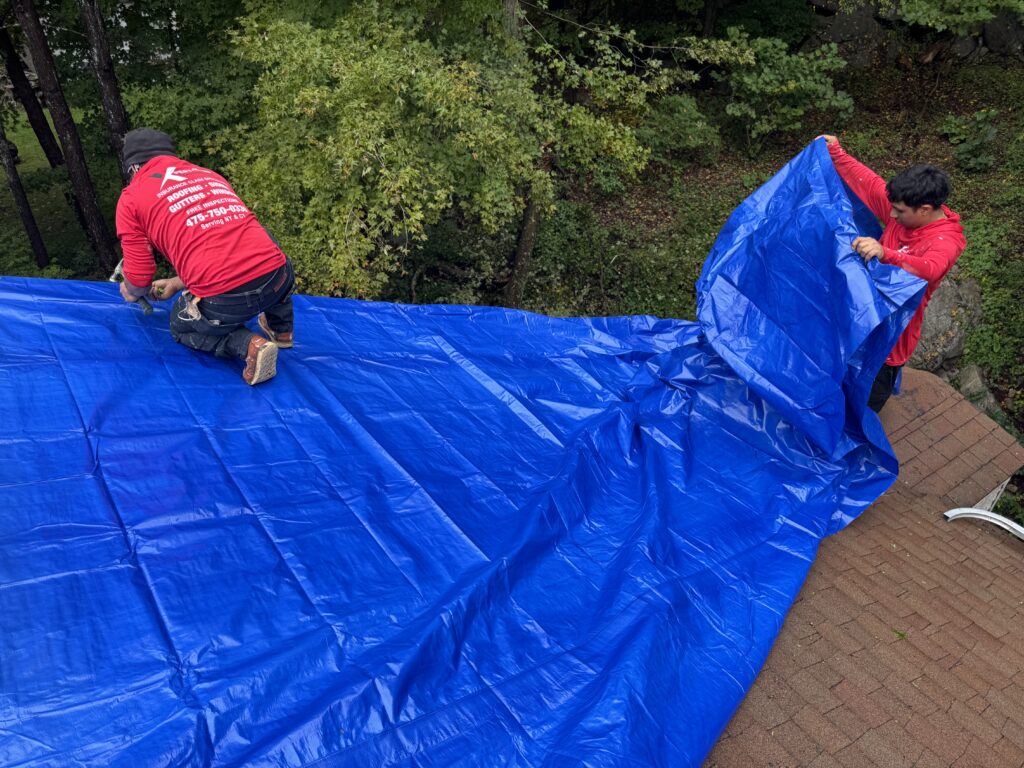
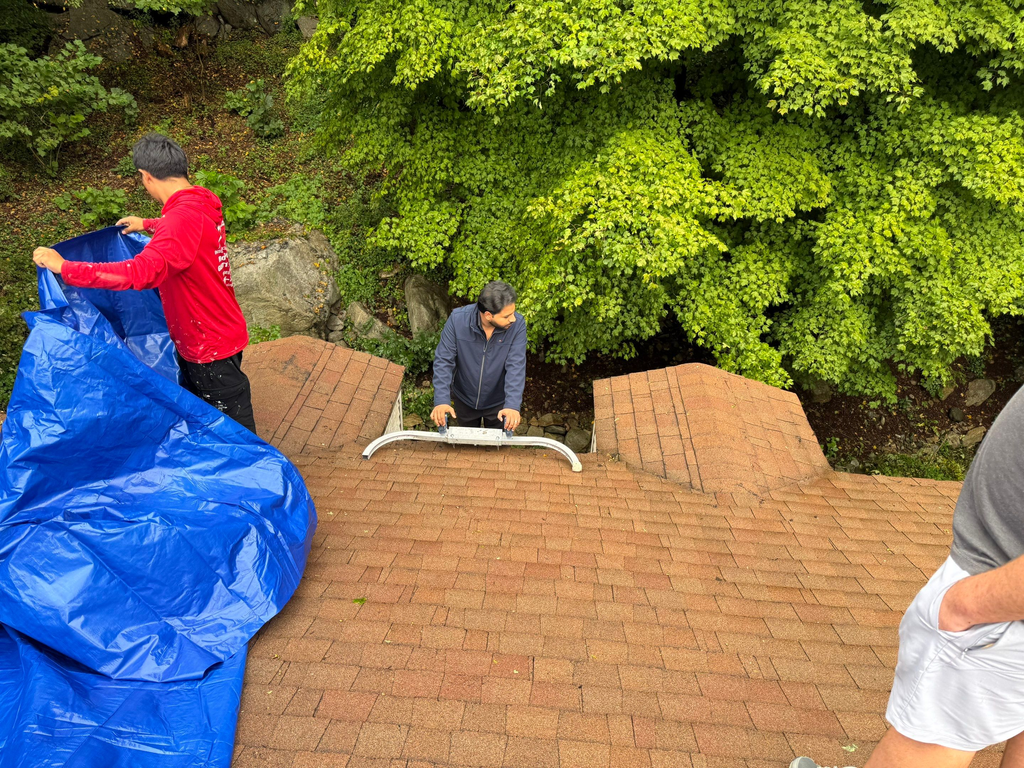
A roofer can cover the opening with a heavy-duty tarp. This stops rain from pouring in and keeps the damage from growing. Most homes need this temporary shield within hours.
Need emergency roof tarping now? Xpert Roofing Pro’s team is ready to secure your roof and stop leaks fast. Contact us or request emergency service online.
Call your insurer as soon as you can. Share your photos and a short description of what happened. Ask a few key questions about what insurance covers:
Keep a note of your claim number. Write down the name of every adjuster you speak with.
Once the roof is covered, plan the real fix. A good roofer checks the decking, shingles, flashing, rafters, gutters, and attic. Hidden damage often lurks beneath a few broken shingles.
Branch removal and roof repair work best together. When one team handles both jobs, you get a safer process and fewer surprises.
No single figure applies to every case because every fallen branch damages a roof differently. The following factors have the greatest influence on the final price of the repair.
Fallen branches cause several distinct kinds of roof damage, and some of them are not visible from the ground.
A roofer brings safety gear, proper tools, and years of practice. That combination protects you from falls and protects your home from messy repairs. A professional roofer in Connecticut also creates insurance-ready records. Quality work often comes with warranty protection as well.
Xpert Roofing Pro is a licensed and insured team with 17 years of experience in storm damage repair and tree removal coordination. Customers receive a fast response, clear communication, and a single point of contact from the first call to final cleanup.
You cannot stop every storm, but a few simple habits can lower the risk.
Yes, even a small branch can scrape off the protective grit on shingles, crack them, or loosen the metal sealing around chimneys and vents.
No, because climbing onto a damaged roof is dangerous, and the branch may be hiding serious damage underneath. Please call a professional roofer to handle the removal safely and check for hidden problems.
Aim to have the roof covered on the same day, because rain can get inside within a few hours. A quick cover-up limits the harm and keeps repair costs lower.
Both can help, since a roofer fixes the roof while a tree crew cuts and hauls away the wood. Xpert Roofing Pro manages the two jobs together, so you deal with one team and the work runs smoothly.
When a tree branch falls on your house, a clear plan makes the stress manageable. Stay off the roof, document the damage, tarp quickly, and call your insurer. For emergency tarping, safe branch removal, and lasting repairs, we recommend Xpert Roofing Pro because one licensed team handles everything in Connecticut.
Do not let storm damage turn into a bigger problem. Get your free estimate now.